






The Color Choice Nobody Thinks Twice About
Most people assume blanket color is purely decorative, a detail you pick to match throw pillows or avoid clashing with the couch. The thinking goes that neutral tones like gray, cream, or navy are the safe default, while orange sits in some seasonal bin reserved for autumn decor and little else. That assumption overlooks how color temperature actually interacts with how a room feels and, by extension, how a body settles into rest.
Orange occupies a strange middle ground in home textiles. It shows up constantly in fall catalogs, then disappears almost entirely from everyday bedding and throw selections once the holidays pass. That pattern says more about marketing cycles than it does about the color’s actual usefulness in a bedroom or living space. Warm tones have a documented effect on perceived room temperature, and that perception matters more than people give it credit for when they’re choosing what to wrap up in at the end of a long day.
What Warm-Toned Textiles Actually Do in a Bedroom
Interior designers have talked about warm colors inducing a sense of coziness for decades, but the physiological piece is less discussed. Orange sits on the warm end of the spectrum alongside red and yellow, and rooms dressed in these tones are consistently rated as feeling several degrees warmer than they measure on a thermostat. That’s not a trick of imagination so much as a documented response to how the eye and brain process warm wavelengths. A blanket in that color family can make a cooler bedroom feel more inviting without anyone touching the heat.
There’s also a practical angle that gets overlooked. Sleep environment recommendations consistently point to cooler room temperatures as ideal for rest, yet many people struggle to get comfortable under those conditions without feeling chilly. A heavier, warm-toned blanket solves both problems at once by letting the room stay cool while the sleeper still feels enveloped in warmth, visually and physically. That balance is part of why sleep health researchers continue to study the environmental factors tied to quality rest, and bedroom temperature shows up specifically among the controllable variables affecting sleep onset and duration.
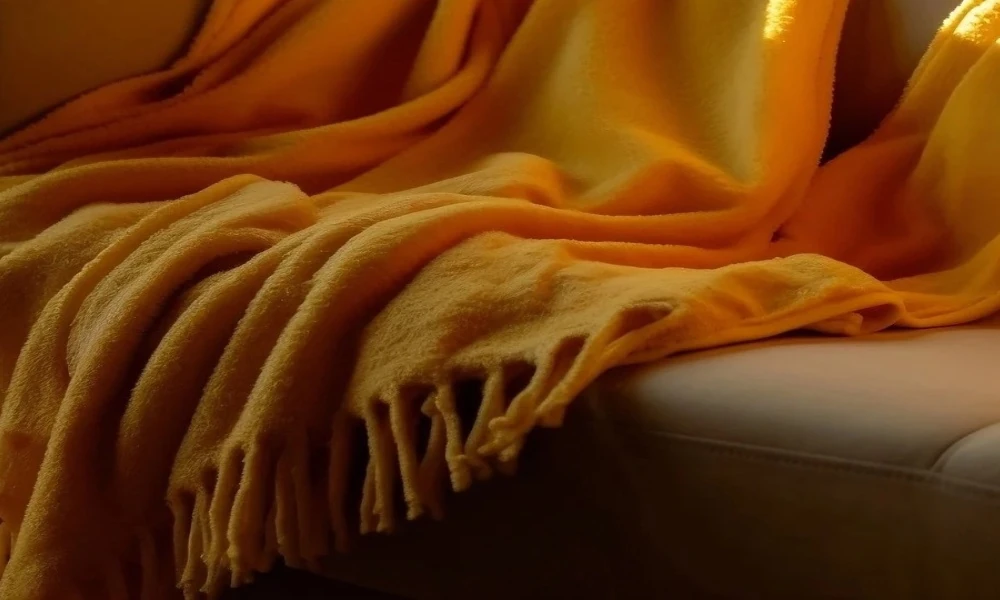
Fabric weight plays into this too. A thin orange throw reads as decorative, almost seasonal, while a heavier knit or plush orange blanket reads as something meant for actual use. The distinction isn’t subtle once you’ve tried both. People who keep a heavier orange blanket on hand for colder nights tend to report using it more often than lighter alternatives in muted colors, likely because it feels purposeful rather than ornamental.
Finding the Right Piece Without Overpaying for It
Orange blankets tend to be harder to find in mainstream retail than neutral colors, which pushes prices up when you do find a good one. Specialty blanket makers often carry a wider range of warm tones than big-box stores, partly because they’re working with smaller production runs and can afford to offer less common shades. If you’ve been holding off because orange felt like a niche request, it’s worth checking retailers who specialize in blankets specifically rather than general home goods stores that treat color as an afterthought.
Timing matters as much as where you shop. Blanket pricing follows a predictable seasonal rhythm, and the steepest discounts tend to show up in late November, when retailers clear inventory ahead of the next season’s colors. This is also when Black Friday blanket deals tend to surface across blanket specialty sites, often cutting prices on heavier, higher-quality pieces that rarely go on sale otherwise. Watching for that window instead of buying at full price in October or December can mean the difference between a basic throw and a genuinely well-made blanket for the same money.
Material still matters more than color once you’ve settled on the shade. A mink-style or microplush orange blanket holds warmth differently than a woven cotton one, and if sleep quality is part of the goal, picking a fabric with actual weight and density will do more for comfort than the color ever will on its own. Anyone building a sleep setup around these choices can cross-reference the American Academy of Sleep Medicine guidelines for a fuller picture of how temperature and bedding interact with rest quality. Color gets you in the door, but texture and weight are what keep the blanket in regular use once the season passes and the discount is long gone.