






By the time a storm-damaged roof is replaced, the homeowner usually has a folder thicker than the shingle warranty. It holds a claim number on a sticky note, an estimate written in a code nobody explains, two checks for different amounts, and a letter about something called recoverable depreciation. None of it is hard once you know what each piece is for. The trouble is that it all shows up in the middle of a stressful week, often without explanation.
That paper trail is where good roofing insurance claim help in Defiance actually earns its keep. Primal Roofing & Restoration has worked out of Defiance since 2006, with free inspections, storm repairs and a crew that photographs and documents damage in a way adjusters can follow. It also offers retail and self-pay options when a claim isn’t the right path. In Missouri, a roofer can’t negotiate your claim for you. A roofer who builds a clean, honest file can still make every conversation with the insurer go more smoothly.
The Page You Should Read Before Anyone Climbs a Ladder
Start with your policy’s declarations page, the short summary at the front. Three lines matter. The first is your wind and hail deductible, which on many Missouri policies is a percentage of the dwelling coverage rather than a flat dollar amount. On a house insured for $400,000, a 1 percent deductible is $4,000, and that surprises a lot of people.
The second is whether the roof is covered at replacement cost or actual cash value. Some insurers now switch older roofs to actual cash value or attach a roof surface payment schedule, which pays less the older the roof is. The third is any endorsement covering ordinance or law, which pays for upgrades the building code requires during a repair. Knowing these before you file keeps the next steps from becoming a series of unwelcome surprises.
The Claim Notice and the Clock It Starts
Reporting the claim is usually a phone call or an app form, and it produces the first real document, your claim number. Write it down, along with the date, the name of whoever you talked to, and what they told you. Report soon. Most policies require prompt notice, and many set an outer limit for hail and wind claims of one or two years after the storm.
Missouri regulations set clear timelines once you’ve reported. Insurers generally have to acknowledge a claim within ten working days and respond to your communications within the same window. They must then accept or deny the claim within fifteen working days after receiving a complete proof of loss, or explain in writing why they need more time. Knowing those timelines gives you a reasonable basis to follow up when a file goes silent.
Your Own Evidence Folder
Before the adjuster comes out, put together your own record. The best files usually include the following.
- The storm date, along with a local weather report or hail map for that day
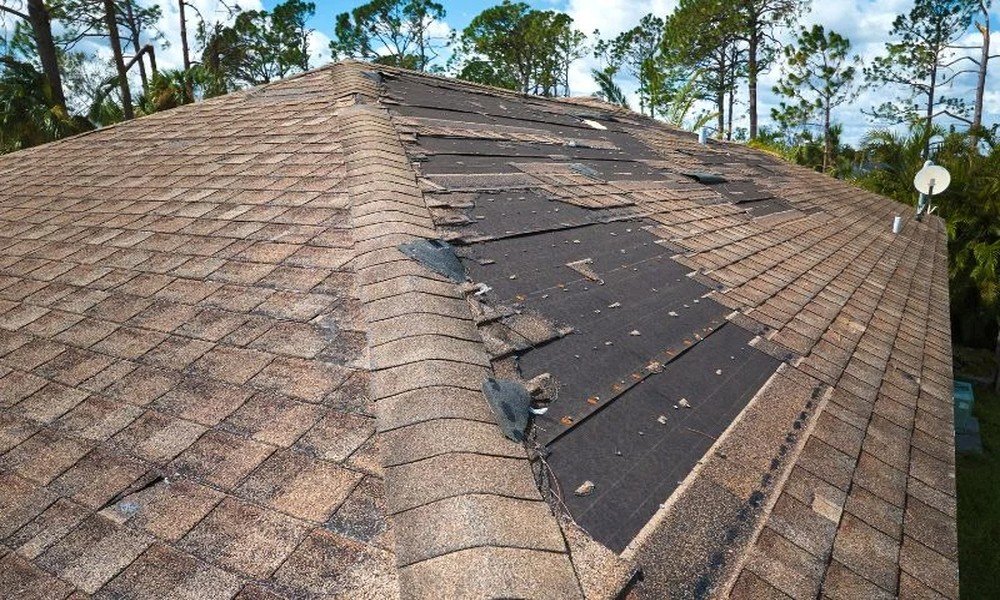
- Wide photos of each side of the house, then close-ups of damage
- Photos of dented gutters, vents and the AC unit as collateral evidence
- Any interior water stains, with the date you first saw them
- Receipts for emergency tarping or temporary repairs
Keep the tarp receipts in particular. Policies expect you to prevent further damage, and the reasonable cost of doing that is usually reimbursed.
The Adjuster’s Estimate Reads Like a Grocery Receipt
After the inspection, the insurer sends an estimate, usually produced in Xactimate. Each line is a task priced by unit. Roofing is measured in squares, each covering 100 square feet, and the line items cover tear-off, felt or synthetic underlayment, drip edge, starter strip, ridge cap, flashing, vents and disposal.
Read it line by line against what your roofer found. On older farmhouses along Highway 94, steep pitches and multiple layers of old shingles often get missed, and each adds labor that should be paid. Steep and high roof charges, a second-layer removal and code-required items like ice barrier at the eaves are the lines most often left off.
Two Checks Instead of One
This is where many homeowners get confused. On a replacement cost policy, the first check is usually the actual cash value, meaning the full replacement cost minus depreciation and your deductible. The depreciation is held back and released after the work is done and the final invoice is sent in. That second payment is the recoverable depreciation, and some policies only allow you a set time to claim it.
If you have a mortgage, the lender’s name will probably be on the check too. Many lenders send larger checks through a loss draft department that releases money in stages after inspections. Call your lender early and ask how its process works so the roofing schedule doesn’t stall waiting on a signature.
When the Roof Opens Up and Reveals More
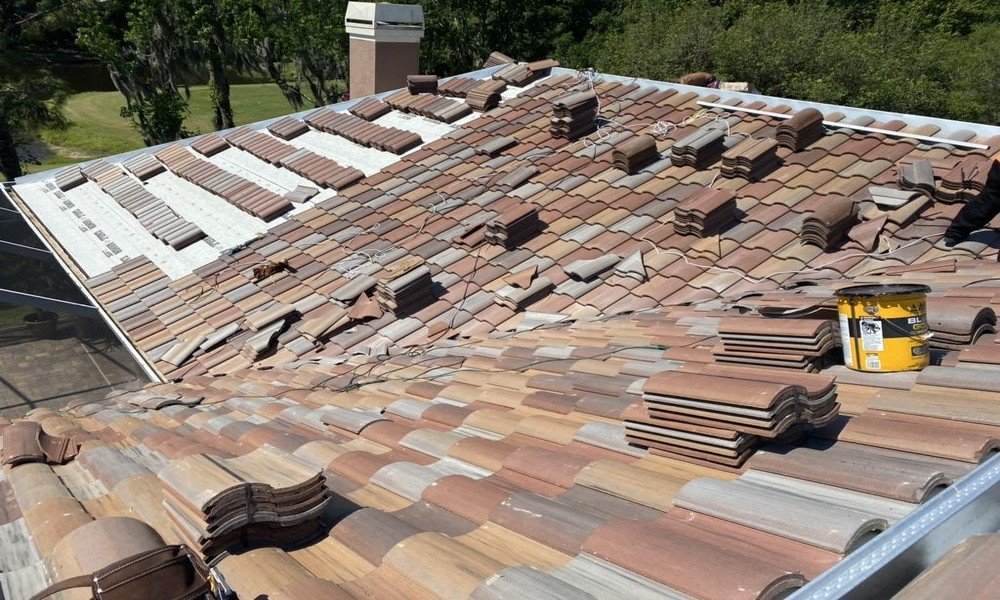
Tear-off often uncovers things nobody could see from above. That can mean rotted decking, a missing layer of underlayment around a chimney, or extra layers of old roofing. When that happens, the contractor sends a supplement, a request with photos showing the additional work and asking the insurer to add it to the claim. A good supplement is factual and specific, and it usually gets approved without much argument.
When the Numbers Still Don’t Agree
If you and the insurer still disagree on the amount of loss, most policies include an appraisal clause. Each side picks an appraiser, and an umpire settles whatever the two can’t agree on. It covers the dollar amount of the loss, not whether the loss is covered. If you believe the insurer isn’t following the rules, you can file a complaint with the Missouri Department of Commerce and Insurance.
Also keep the protections you have against storm-season pressure in mind. Missouri bars contractors from offering to pay or waive your deductible, and it gives homeowners a short window to cancel a contract signed before the claim is decided if the insurer denies it. A contractor who promises to make the deductible disappear is offering something the law already prohibits.
With the policy, the timelines, the estimate lines and both checks in order, the claim reads as one complete record of the storm. The roof itself takes a few days. That folder is what makes sure you’re paid in full for it.