





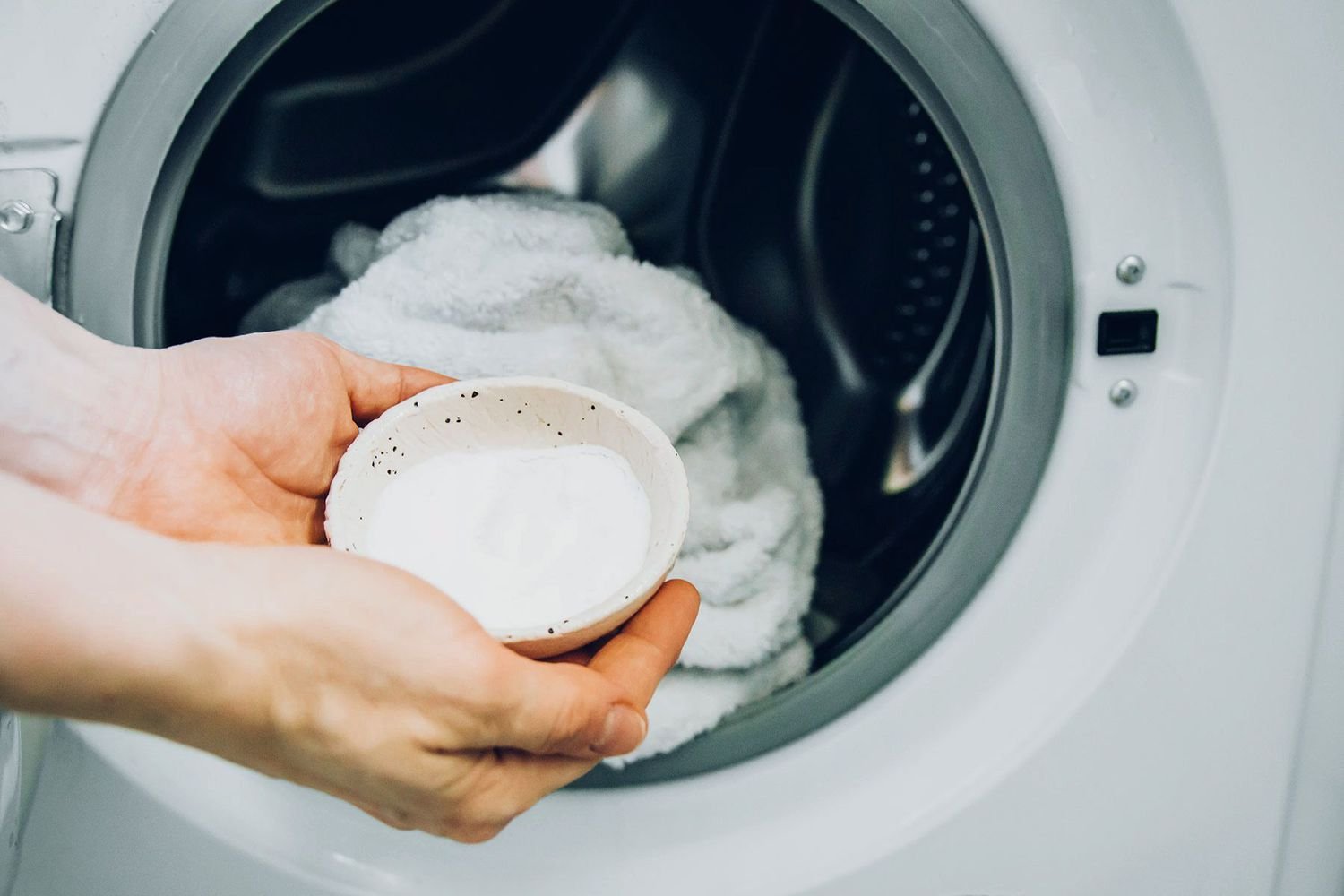
Yes—vinegar and baking soda genuinely work for cleaning a washing machine, and you probably already have both in your pantry. To do it correctly, run the machine empty with two cups of white vinegar on its hottest cycle to break down mineral deposits and mold. Follow this with a second hot cycle using half a cup of baking soda to neutralize odors and scrub away residue. For a front-loader, remember to wipe down the rubber gasket with a vinegar-soaked cloth, as this is where most “stinky machine” smells originate.
A clean washing machine means cleaner clothes, fewer musty smells, and a longer machine lifespan. Most people never think to clean it – but it needs it just as much as anything else in the house.
Why Your Washing Machine Gets Dirty
It washes clothes – surely it cleans itself? Unfortunately not. With every cycle, residue builds up from detergent, fabric softener, hard water minerals, and body soil. This residue coats the drum, the seals, and the detergent drawer. Over time it turns into mould, mildew, and bacteria – which is why some washing machines start to smell.
What You’ll Need
- White distilled vinegar (2 cups)
- Baking soda (half a cup)
- A spray bottle
- A microfibre cloth or old toothbrush
- Optional: a few drops of tea tree or eucalyptus essential oil
Step-by-Step: Top-Load Washing Machine
- Start an empty hot water cycle and let the drum fill
- Add 2 cups of white vinegar directly into the drum (not the detergent drawer)
- Pause the cycle and let it soak for 30-60 minutes – this is where the real cleaning happens
- Resume and let the cycle complete
- Start a second empty hot cycle and add half a cup of baking soda directly to the drum
- Let this cycle run completely – the baking soda deodorises and neutralises
- Wipe down the inside of the drum, the lid, and any accessible surfaces with a damp cloth
- Leave the lid open for a few hours to dry completely
Step-by-Step: Front-Load Washing Machine
- Check and clean the rubber door seal first – pull it back gently and wipe with a cloth dampened with vinegar; this is where mould hides
- Add 2 cups of white vinegar to the detergent drawer (liquid compartment)
- Run an empty hot cycle (60°C or higher if your machine has it)
- Once complete, sprinkle half a cup of baking soda directly into the drum
- Run a second short hot cycle
- Wipe the drum interior, door seal, and door glass with a microfibre cloth
- Pull out and rinse the detergent drawer – this often has the most buildup
- Leave the door open between uses to prevent mould from returning
Important: Don’t mix the vinegar and baking soda in the same cycle. They neutralise each other (it’s just water and CO2 at that point) and you lose the cleaning benefit of both. Run them as two separate cycles.
Cleaning Schedule
| Task | Frequency | Why |
|---|---|---|
| Full vinegar + baking soda clean | Once a month | Removes buildup, prevents odour |
| Wipe door seal (front-loaders) | Weekly | Stops mould forming in the folds |
| Clean detergent drawer | Monthly | Prevents blockage and mould |
| Run a hot empty cycle | Every 2 weeks | Flushes residue from pipes and drum |
| Clean lint filter (top-loaders) | Every 3 months | Prevents drainage issues |
Signs Your Machine Needs Cleaning
- Clothes come out smelling musty even when freshly washed
- Visible dark spots or sliminess on the door seal
- The machine itself has an unpleasant smell
- White residue or buildup on the drum walls
- The detergent drawer has solid deposits or discolouration
One maintenance habit that makes a huge difference: always leave the washing machine door open between washes. It takes two seconds and prevents the damp, dark, warm environment that mould needs to grow. Do this consistently and you’ll need deep cleans far less often.