





It is tempting to believe that any large tree near a building is a danger and that cutting it is the cautious choice. Neither half of that is reliably true. Many big trees are structurally sound, and unnecessary cutting can weaken a tree or breach the law. The more useful question is narrower: under what conditions does tree cutting become necessary for the safety of a property, and when is it better left alone?
Separating Risk From Nuisance
Leaf litter, shade and blocked views are irritations, not hazards. They may justify pruning for convenience, but they should not be confused with a safety case. A genuine risk exists when there is a realistic chance that the tree or a substantial part of it will fail and strike people, vehicles or structures. Keeping the two categories apart helps an owner decide how quickly to act, how much to spend and whether any regulatory approval is likely to be granted.
Structural Defects in the Trunk and Limbs
The clearest grounds for cutting are visible weaknesses in the wood itself. These include open cavities, long vertical cracks, large dead branches, and tight V-shaped forks where bark is trapped between two stems. Limbs that extend a long way horizontally with most of their foliage at the tip are prone to snapping in wind. Where such defects sit above a house, driveway or play area, selective removal of the affected parts is normally warranted without much debate.
Trouble at the Roots
Root problems are harder to see and often more serious. Warning signs are soil cracking or mounding on the side opposite a lean, fungal fruiting bodies around the base, and roots that have been cut for trenches, kerbs or foundations. A tree may look green and vigorous while its anchorage is failing. If a significant share of the structural roots has been lost or has decayed, pruning the crown may reduce the load, but in severe cases only complete removal makes the site safe.
Pruning as the First Resort
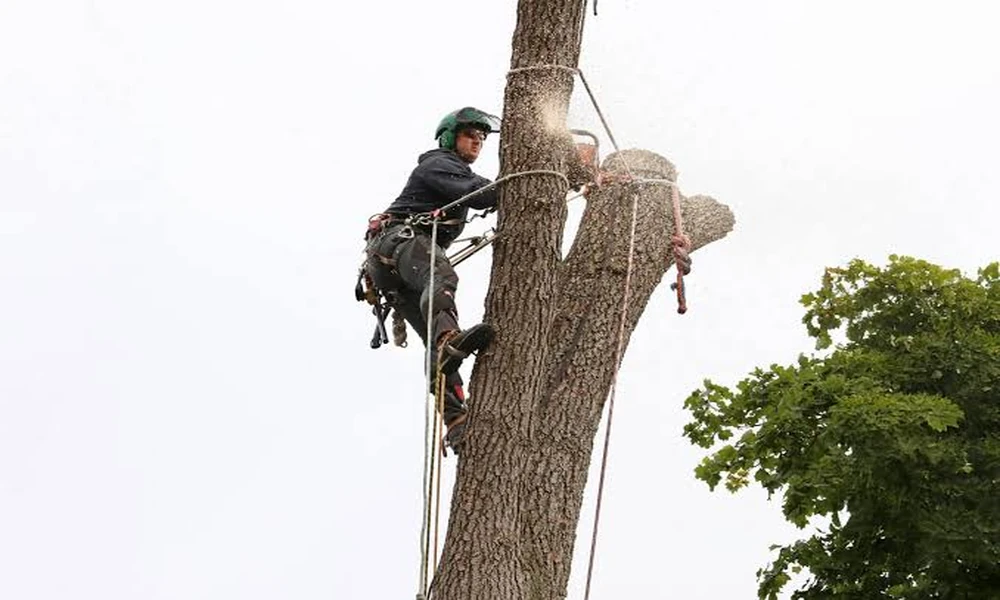
Necessity does not always mean felling. In many cases the hazard lies in one part of the tree, and targeted work resolves it: removing dead wood, shortening overextended limbs, or reducing the crown to lessen wind loading. An experienced tree pruning contractor singapore will make cuts at the correct points so that wounds close properly and the tree keeps its natural form. Crude topping, by contrast, produces weakly attached regrowth and can turn a manageable tree into a recurring danger.
Disease, Pests and Decline
A tree in irreversible decline becomes brittle and unpredictable. Progressive dieback from the tips of the crown, extensive termite activity in the trunk and bracket fungi that indicate internal rot are all reasons to consider removal before failure occurs. Timing matters, because dead timber is more dangerous to climb and dismantle than living wood. Where the diagnosis is uncertain, a short monitoring period with dated photographs can confirm whether the condition is stable or worsening.
Proximity to Buildings and Services
Distance changes the calculation. Branches touching a roof, a trunk pressing on a boundary wall, roots entering drains and limbs close to electrical lines each present a direct route to damage. The remedy depends on the species and how much room there is to work with. Sometimes clearance pruning every year or two is sufficient. Where the tree is simply too big for the space and will continue to grow, staged reduction or removal may be the only durable answer.
What the Law Permits
Even a strong safety argument has to fit within the Parks and Trees Act. A tree with a girth of more than one metre, growing in a tree conservation area or on vacant land, needs approval from the National Parks Board before it is felled, and the fine for felling without it can be as high as $50,000. The Act makes allowance for trees that are dying or immediately dangerous, but an arborist’s written report and photographs are the sensible way to support that position.
Changes on Site That Alter the Risk
A tree that has been safe for decades can become a concern when its surroundings change. A new car park, play area or seating placed beneath the crown introduces a target that was not there before. Removing neighbouring trees exposes the remaining ones to wind they have never had to resist. Raising or lowering soil levels and trenching near the trunk damage roots. Any of these changes is a reason to have the tree reassessed, even if the tree itself looks no different.
The Ground Beneath the Canopy
Safety assessments tend to look upward, yet conditions at ground level influence both risk and the ability to spot it. Overgrown turf hides root plate movement, fungal growth and fallen dead wood that would otherwise prompt an early inspection. Keeping the area around each tree trimmed through a regular grass cutting service means that changes at the base are noticed sooner, and that crews can reach the tree safely when work is eventually required.
Making the Call
Cutting is necessary when three things coincide: a defect that makes failure reasonably likely, a target that would be harmed, and no lesser measure that would control the risk. If only the first two are present, pruning is usually enough. If none is present, the tree is best left and reviewed periodically. Have the assessment made by someone qualified, check the legal status of the tree before committing, and keep the report with the property records for future reference.