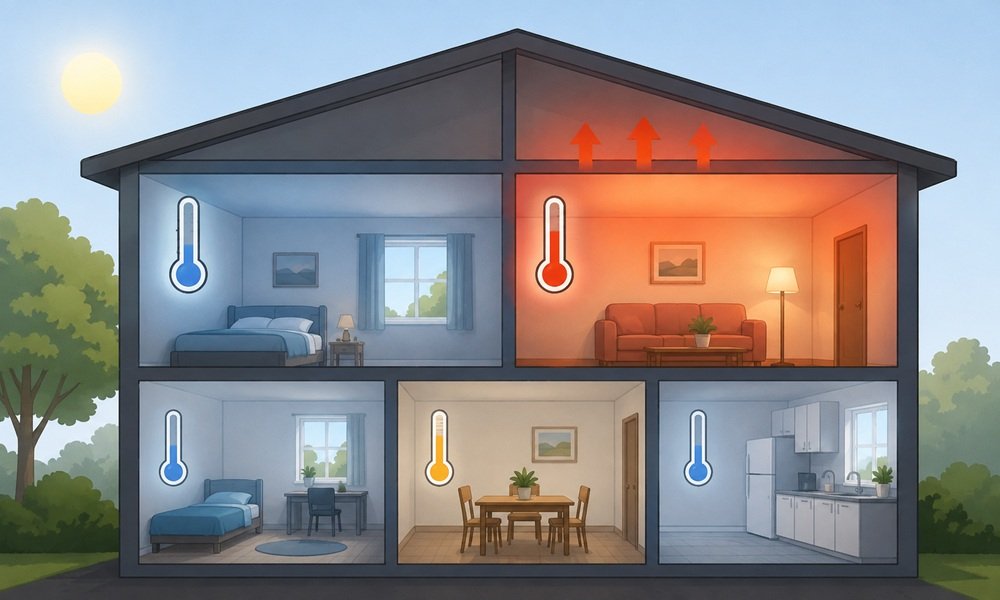








Central Florida does not really run in spring, summer, fall and winter. It runs on two seasons with sharp edges: a long, hot wet season shaped by afternoon storms, and a shorter dry season broken up by cool fronts and stubborn humid spells. A home cooling system here never fully rests, but the problems it faces shift across those months, from pulling gallons of moisture out of the air in July to sitting half idle in a damp January while humidity creeps back in. Matching service and checks to that rhythm catches far more trouble than a single visit booked whenever someone remembers.
That rhythm is the reason a twice yearly maintenance plan fits this region, and it shapes how TXT Home Services handles air conditioning in Orlando and the neighboring communities. Every visit follows a 52 point inspection, UV light systems, duct cleaning and electrical checks come from the same licensed team, and most cooling breakdowns get handled the day they are reported. With a 5.0 rating built on more than 80 Google reviews, homeowners from Ocoee to Kissimmee can request a seasonal visit through the company’s online contact form and get ahead of the next weather shift.
Mid October through November
The National Weather Service office in Melbourne has tracked these transitions for decades, and its wet and dry season study for east central Florida puts Orlando’s median dry season start at October 15, with the first sub 60 degree morning usually arriving a few days later. Hurricane season still runs through the end of November, so this window blends cleanup with preparation.
- Book the first of the two yearly tune ups now. Capacitors, contactors and coils have just come through their hardest months, and summer wear shows clearly before it turns into a failure.
- Walk around the condenser after any late storm. Debris packed against the fins, a pad that has shifted or water pooled around the base all deserve attention, and a unit that sat in floodwater should be inspected before it is switched back on.
- Open the outdoor disconnect cover and look for rust or scorching. Months of rain and sprinkler spray corrode lugs, and a loose connection there often explains a unit that hums but refuses to start.
- Use fresh air only on genuinely dry days. When outdoor dew points fall into the 50s, open windows help, but humid air returns quickly between fronts.
December through February
These are the mildest months, which makes them the most useful for bigger decisions.
- Test the heating side before the first real cold snap. Most Orlando homes rely on a heat pump or electric heat strips, and a faint burning dust smell on the first run is normal if it fades within an hour. A smell that lingers or a breaker that trips points to an electrical issue.
- Plan replacements here rather than in August. A day without cooling costs little in January, and there is time to review a proper load calculation instead of accepting whatever fits the old slab. Florida’s energy code requires a sizing calculation with the permit when both indoor and outdoor components are replaced, and the building code requires outdoor units to be anchored against wind loads.
- Watch indoor humidity on mild, overcast days, when the thermostat calls for neither heat nor cooling and moisture quietly builds. The EPA’s guidance on mold and moisture in homes recommends keeping indoor relative humidity below 60 percent, ideally between 30 and 50 percent, and an inexpensive hygrometer shows quickly where a closed up house stands.
March and April
Dry weather and heavy pollen define these weeks, which makes them ideal for air quality work.
- Schedule duct cleaning while the system runs lightly. Ducts in an Orlando attic carry whatever collects in them straight into bedrooms once cooling ramps up.
- Have the dryer vent cleaned. Lint that has packed into the vent run over a year makes the dryer run hot and long, and that buildup is a recognized fire risk.
- Change filters more often while oak and pine pollen peak, since a clogged filter cuts airflow and makes the coil work harder.
- Consider a UV lamp at the air handler before summer. A coil that stays wet for months is where mold and bacteria settle, and the lamp is meant to keep that surface clean.
May
The wet season usually arrives in the last week of May, so this month is the final dry stretch to get ahead of it.
- Book the second tune up of the year. Refrigerant charge, coil condition and blower performance matter most just before the heaviest load arrives.
- Flush the condensate drain and test the float switch. Once the coil produces water nonstop, algae grows inside the line quickly, and attic air handlers in Florida rely on an overflow pan or shutoff switch to protect the ceiling below. A system that suddenly stops cooling on a humid afternoon often turns out to be that switch doing its job.
- Settle on a steady thermostat setting. Large daily swings force a hot, sticky house to recover for hours, and the system rarely catches up on moisture during that pull down.
June through September
This is peak load, daily thunderstorms and, from mid August into October, the busiest part of hurricane season.
- Keep two feet of clearance around the condenser and keep grass clippings off the coil.
- Ask about a whole home surge protective device at the panel. Central Florida sees frequent lightning, and the circuit boards in variable speed equipment are sensitive to spikes.
- After a power outage, wait a few minutes before restarting cooling so the compressor is not hit with an immediate restart. Running central cooling from a portable or standby generator needs an electrician to confirm sizing and a safe transfer setup.
- Take early warning signs seriously. Ice on the refrigerant line, water around the air handler, warm air from the vents or a system cycling on and off every few minutes all tend to get worse, not better, in August heat.
Reading the year as a whole
Laid side by side, the calendar shows a simple pattern. The two maintenance visits bracket the wet season, one as the hard months end and one just before they begin. Air quality work fits the dry, dusty spring, and big decisions such as replacement or panel upgrades belong to the mild winter, when nothing has to be rushed. Electrical checks ride along with nearly every stage, because disconnects, breakers and surge protection fail in the same weather that strains the equipment itself. Underneath all of it sits moisture. In a climate where the air rarely stays dry for long, a cooling system is judged as much by how well it keeps humidity in check as by the number on the thermostat, and planning around the seasons is the most reliable way to keep both under control.