





Introduction
Some properties simply carry more fire risk than others, think manufacturing plants, active construction sites, or facilities storing large amounts of combustible material. For these kinds of sites, fire watch coverage isn’t something that can safely pause overnight or during slower hours. Round-the-clock monitoring exists specifically to handle the fact that high-risk environments don’t become less dangerous just because it’s late at night.
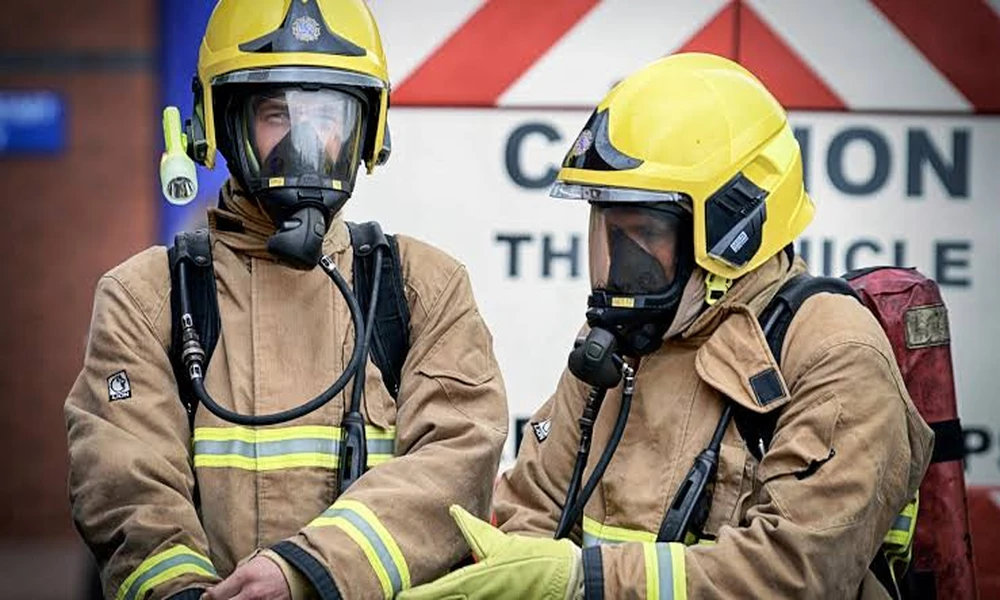
For facilities facing elevated fire risks, arranging 24 hour fire watch Spokane coverage can provide continuous on-site monitoring when normal fire protection systems are unavailable or conditions require additional oversight. Trained guards can maintain scheduled patrols throughout the day and night, pay particular attention to high-risk areas, and communicate hazards promptly. Consistent coverage also helps prevent overnight gaps when fewer employees may be present to notice developing problems.
Why High-Risk Sites Need Extra Vigilance
A warehouse full of inventory or a construction site mid-renovation carries hazards that a typical office building simply doesn’t have to deal with, exposed wiring, flammable materials, or fire protection systems that aren’t even fully installed yet. These conditions mean a small spark or overlooked hazard can escalate a lot faster than it would somewhere with fewer risk factors, which is exactly why constant attention matters so much here.
What Continuous Coverage Actually Looks Like
Round-the-clock fire watch means guards patrolling at set intervals, usually every 30 to 60 minutes, throughout every hour of the day, not just during business hours or the times when staff happen to be around. Shifts are structured with overlap so there’s never a gap between one guard leaving and the next arriving, keeping that continuous presence genuinely unbroken.
Handling the Overnight Hours
Nighttime coverage brings its own challenges, since a site that’s normally bustling with activity becomes quiet and mostly empty. Guards working these hours need to stay just as alert as during the day, watching for things like overheating equipment left running or unattended hot work that hasn’t fully cooled down, even when there’s no one else around to notice.
Coordinating With Site Operations
On active job sites, round-the-clock fire watch often means coordinating with whichever crews are working different shifts, briefing incoming trades on hazards, and staying aware of which zones carry elevated risk on any given day. This kind of ongoing communication keeps the coverage relevant to what’s actually happening on-site rather than just following a generic patrol route.
Why Cutting Corners Here Backfires
It might be tempting to reduce coverage during what seems like a quieter stretch, but high-risk sites don’t actually become lower risk just because activity slows down. A hazard that develops unnoticed during a scaled-back overnight shift can undo weeks of otherwise solid fire watch coverage in a single incident, which is exactly the outcome round-the-clock monitoring is meant to prevent.
Conclusion
High-risk sites don’t get a break from fire danger just because the workday ends, which is exactly why round-the-clock fire watch matters so much for these environments. Continuous patrols, proper shift overlap, and guards who stay engaged through quiet overnight hours all work together to keep a genuinely dangerous site protected at every hour. For properties carrying this level of risk, anything less than full-time coverage leaves a gap that’s simply not worth the risk.