


A roof is the single most exposed surface on any property, absorbing direct rainfall and sun for years without the protection walls and floors take for granted underneath them. Waterproofing for roofs is not a single product but a category of methods, each suited to a different roof type and exposure level. waterproofing for roofs is the decision that determines how long that protection actually lasts before it needs attention again.
Why Roofs Need Dedicated Waterproofing
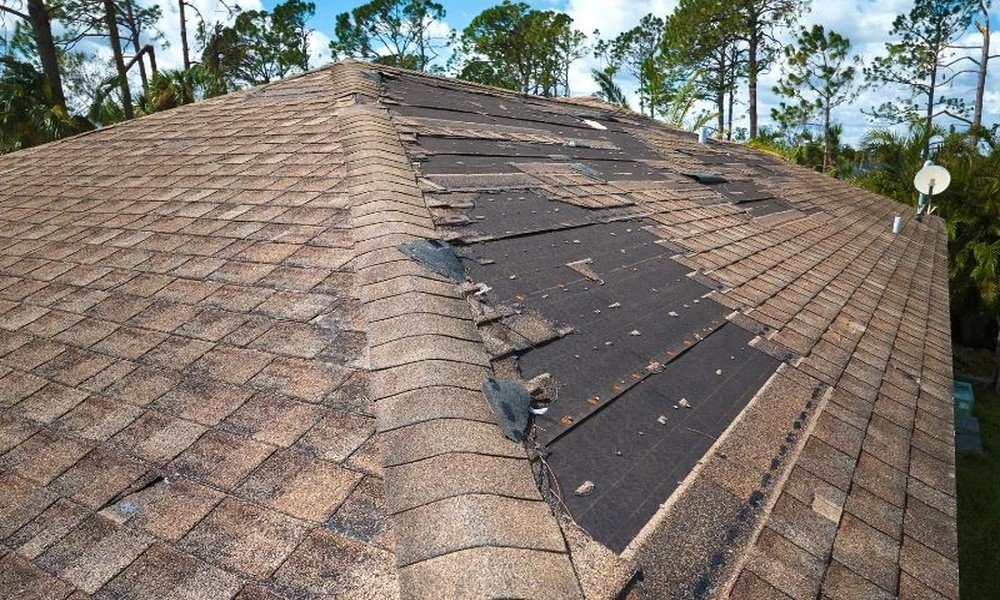
Unlike an internal wall, a roof surface is directly exposed to sun, rain, and temperature swings that cause materials to expand and contract repeatedly across a single day, let alone a full year of weather. This constant movement is what eventually causes ordinary sealants to crack, which is why roofs need a waterproofing system engineered specifically to flex and endure exposure rather than a general-purpose product borrowed from another part of the building entirely.
Liquid-Applied Membrane Coatings
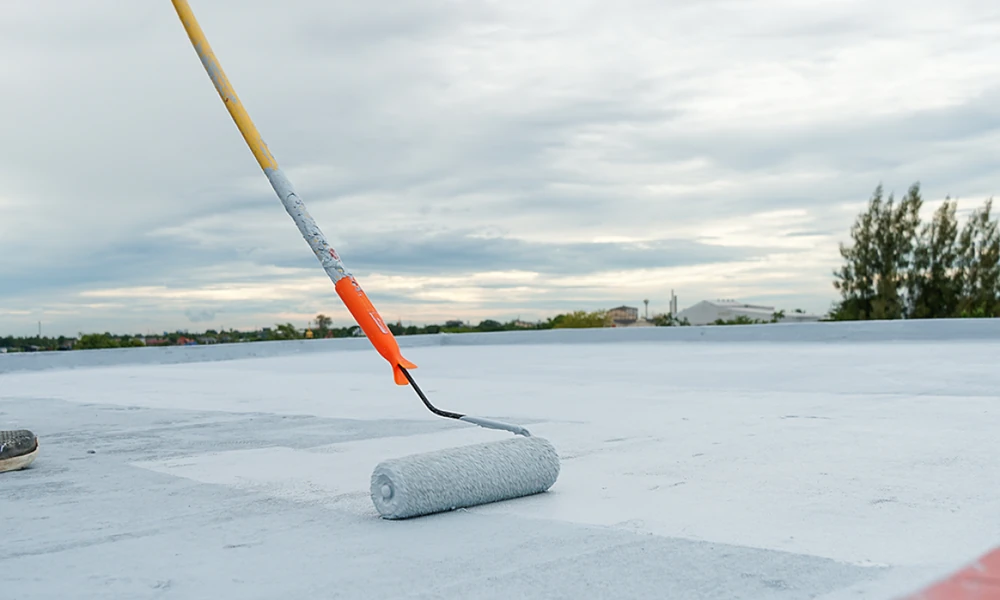
Liquid-applied coatings are painted or sprayed directly onto the roof surface, curing into a seamless membrane that follows every contour without the joints or seams that other methods inevitably introduce along the way. This makes them particularly well suited to roofs with unusual shapes, protrusions, or existing fixtures that would otherwise complicate a sheet-based membrane installation considerably, though proper surface preparation beforehand remains essential to how well the coating ultimately adheres and performs.
Torch-On Bituminous Membranes
Torch-on membranes are sheets of bitumen-based material heat-welded to the roof surface and to each other, forming a robust barrier well suited to larger flat roof areas found on many commercial and residential blocks. The heat-welded seams create a genuinely strong bond when installed correctly, though the method demands a skilled installer, since a poorly welded seam becomes the very point where water eventually finds its way through the system over time.
Cementitious Waterproofing for Flat Roofs
Cementitious coatings are applied much like a render, bonding tightly to concrete substrates and offering strong resistance to foot traffic on roofs that double as accessible terraces or utility areas for building maintenance. This method pairs well with concrete flat roofs specifically, though it is generally less flexible than liquid or membrane systems, which matters where the underlying structure moves more than a typical slab. Understanding water leaking repair helps clarify why matching flexibility to structural movement matters as much as surface bonding strength.
Choosing Between Methods
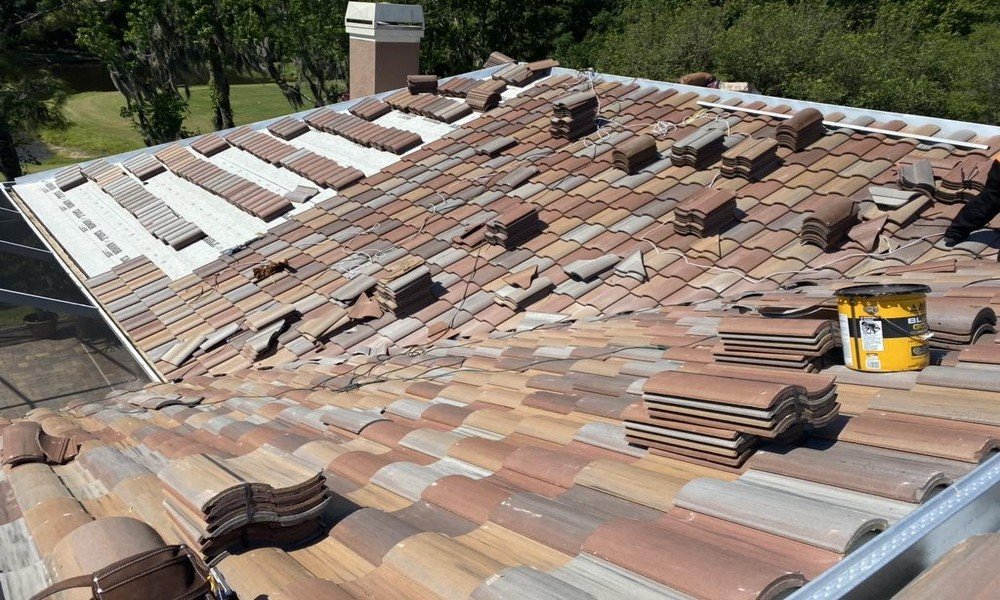
The right method depends on roof type, existing substrate, exposure to foot traffic, and budget, rather than any single method being universally superior to every alternative available on the market today. A flat concrete roof accessed regularly by maintenance staff calls for a different solution to a pitched tile roof rarely walked on at all, and a specialist assessment weighs these factors before recommending a specific system for that particular property.
The Role of Roof Slope and Drainage
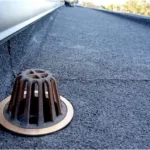
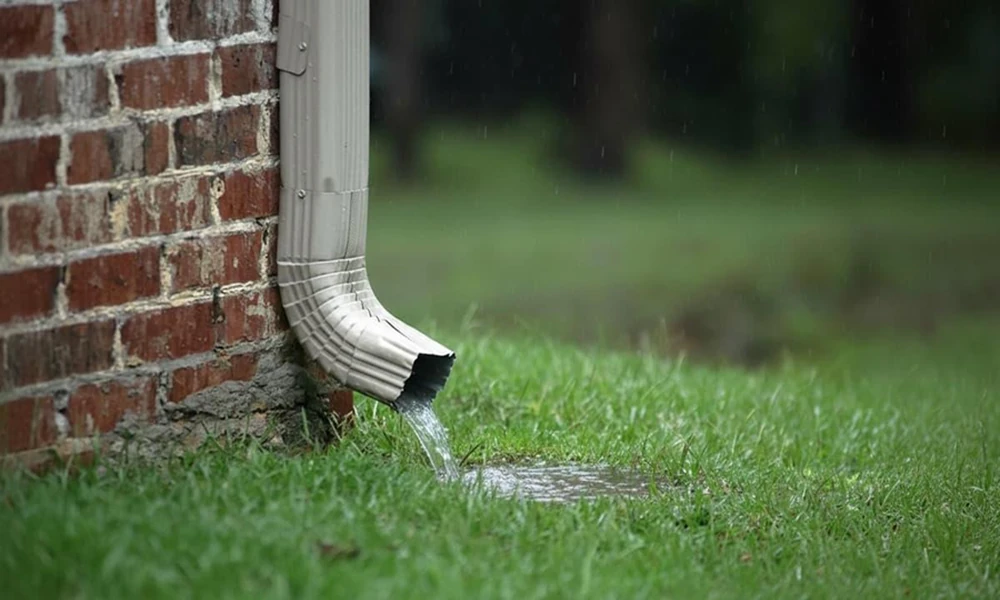
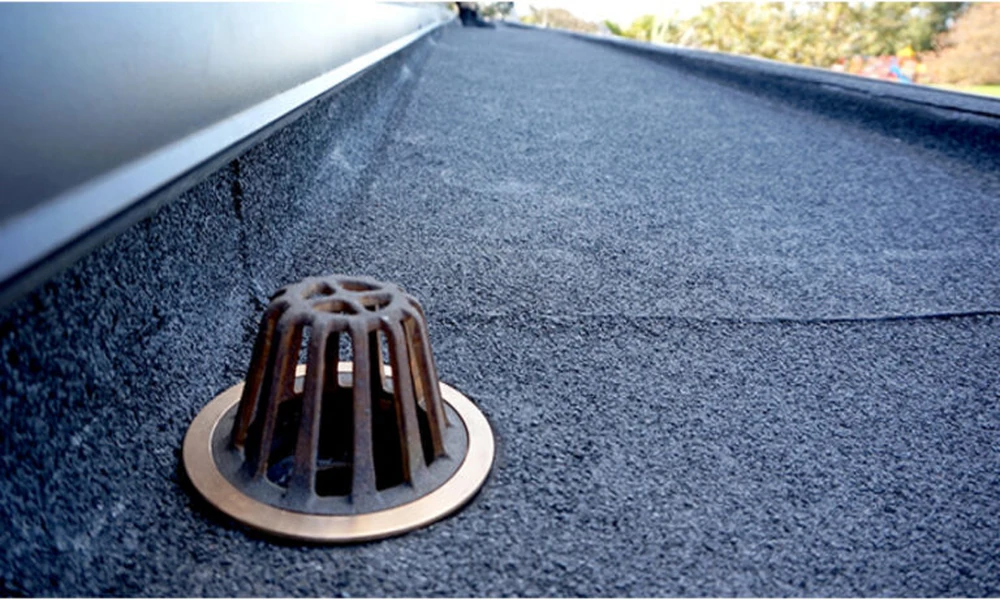
Even the best waterproofing membrane struggles against standing water, which is why proper slope and drainage design matters just as much as the membrane material chosen for the job at hand. A flat roof with poor drainage will pond water in low spots, accelerating wear on the membrane at exactly those points and shortening its effective lifespan considerably compared with a properly graded surface designed to shed water quickly.
Benefits Beyond Leak Prevention
Good roof waterproofing does more than stop leaks, since many modern systems also reflect heat, reducing how much a top-floor unit heats up during the day and easing the load on air conditioning as a result. Some systems additionally protect the underlying structural concrete from carbonation and reinforcement corrosion, extending the roof’s structural lifespan well beyond what leak prevention alone would suggest was the primary benefit on offer.
Maintenance After Installation
No waterproofing system is entirely maintenance-free, and periodic inspection for cracking, blistering, or ponding water helps catch early degradation before it develops into an actual leak reaching the interior of the property below. Clearing debris from drains and checking membrane edges around penetrations such as pipes or vents are simple tasks that meaningfully extend the working life of whatever system was originally installed on the roof.
Working With a Specialist Contractor
Installation quality matters as much as material choice, since even the best waterproofing product fails prematurely when applied incorrectly or over a surface that was not properly prepared beforehand. A specialist contractor brings the surface preparation, application technique, and quality checking that a generic roofing crew may not consistently provide across every job. Reviewing water leakage specialist singapore shows how installation oversight fits alongside material selection in a properly managed roofing project.
Getting the Method Right From the Start
Waterproofing for roofs works best when the method is matched to the roof’s specific structure, exposure, and use, rather than chosen on price alone without regard for how the system will actually perform over its expected lifespan. Getting this decision right at installation avoids a costly and disruptive re-do only a few years later, once the wrong system has already begun to fail under conditions it was never actually suited to handle.