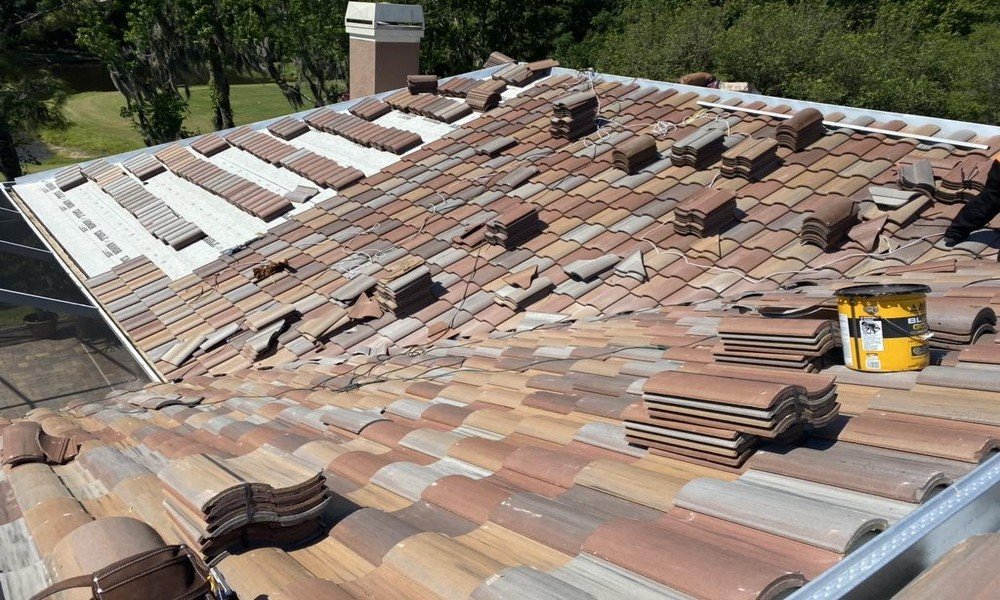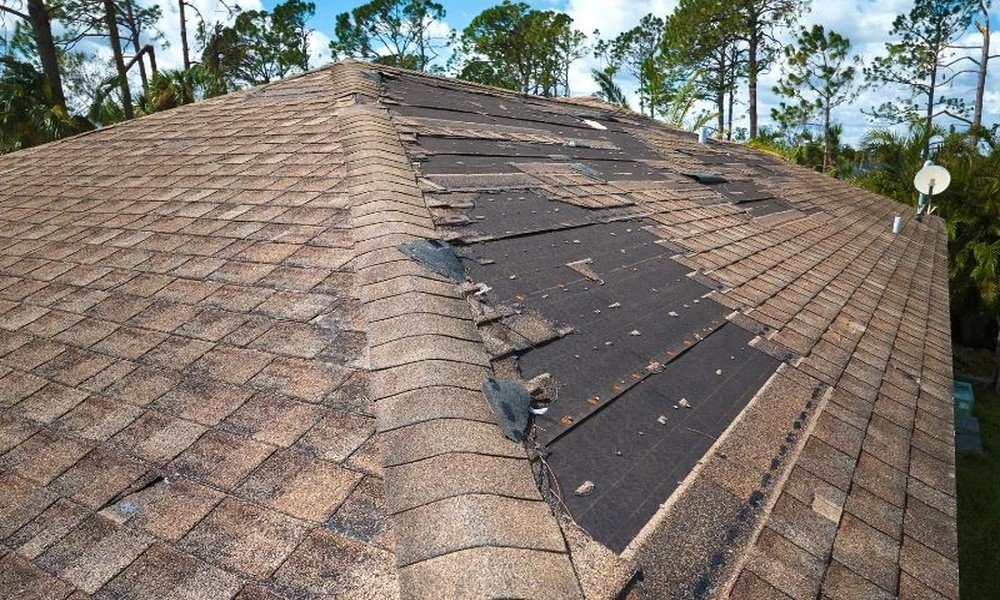


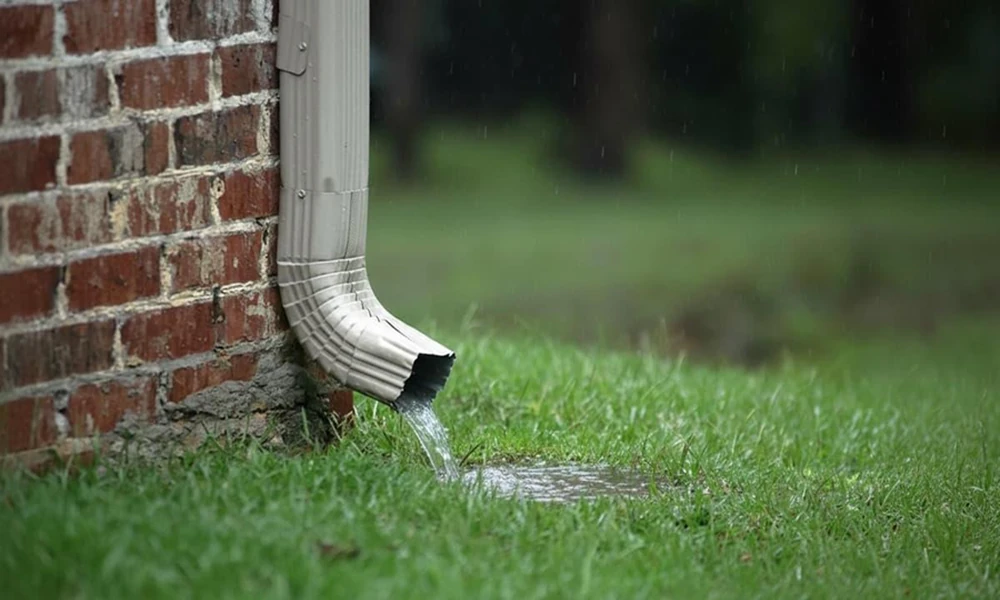

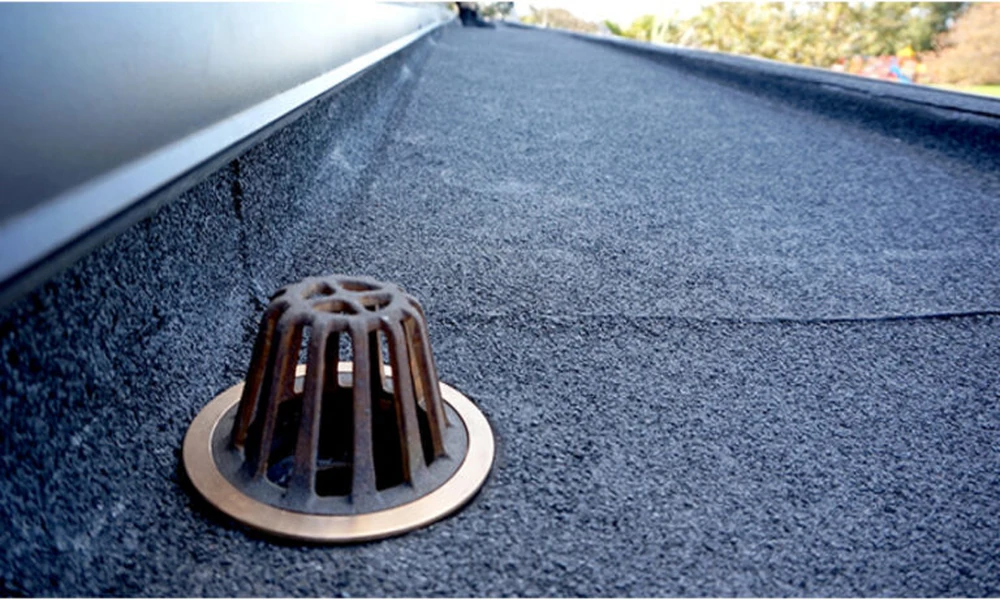

Stand in a Green Bay driveway on a sunny afternoon in early March and you can hear the thaw. Water ticks off the shingles, rattles through the gutters, slides down the siding and disappears somewhere near the foundation. It is a short trip, maybe twenty feet from ridge to ground. But every surface that water touches either moves it along or gives it a place to stay.
Most homeowners think about their exterior one piece at a time. The roof is one project, the gutters are another, and the siding is something to deal with someday. Water doesn’t see it that way. A single weak spot high on the house can show up as rot, peeling paint or a damp basement much lower down, and in a climate with long freeze-thaw seasons that chain reaction moves faster than people expect.
That connection is something local exterior crews run into constantly. Fantastic Services, working out of Hoffman Road in Green Bay, takes on roofing, gutters, siding and exterior painting under one roof, and as a GAF Certified contractor it can offer the manufacturer’s stronger warranty options on the roofing systems it installs. Seeing the whole path of the water from one crew’s perspective is often what turns a patch into a proper fix.
So let’s follow that drop of water and look at what it meets along the way.
The Trip Starts Higher Than You Think
The story of most winter roof damage begins in the attic, not on the shingles. When warm air from the living space leaks upward through recessed lights, bath fans and gaps around the attic hatch, it heats the underside of the roof deck. Snow on top melts even when the outdoor air is well below freezing.
Good attic ventilation keeps the deck close to outdoor temperature. That usually means a balance of intake vents at the soffits and exhaust vents near the ridge. When soffit vents are blocked by insulation or painted shut, the whole system stalls. Air sealing and insulation depth matter just as much, because ventilation can’t keep up with a house that pours heat into the attic.
Why the Eaves Take the Worst of It
Meltwater running down a warm roof eventually reaches the eaves, which hang out past the heated walls and stay cold. There it refreezes. Day after day the ridge of ice grows, and water backs up behind it and works under the shingles.
This is why building codes in cold regions call for an ice barrier membrane at the eaves. The usual rule is that it runs from the edge of the roof to at least 24 inches inside the exterior wall line. Green Bay’s January averages sit comfortably in the range where that requirement applies. On older homes, and on roofs that were overlaid instead of torn off, that membrane is sometimes missing or too short. Nobody finds out until a ceiling stains in February.
Gutters Are Drainage, Not Trim
Once water clears the shingles, the gutter decides where it goes next. A few details make an enormous difference in snow country.
- Pitch matters. A slope of roughly a quarter inch for every ten feet keeps water moving instead of pooling and freezing in place.
- Hanger spacing should be tighter than in mild climates. Hangers every two feet or so help gutters carry the weight of ice without pulling away from the fascia.
- Downspout size and count should match the roof area feeding them. Large roof planes emptying into a single small downspout overflow in every heavy rain.
- Extensions should carry water four to six feet from the foundation, not dump it at the base of the wall.
- Gutter guards cut down on leaf clogs, but some styles let snow and ice build on top. They work best on a house that already has its attic heat under control.
The Board Nobody Looks At
Behind every gutter is a fascia board, and above it is the soffit. When gutters overflow or ice pushes water back toward the house, these boards soak it up. Soft fascia is often the first sign that water has been going the wrong way for a while.
A metal drip edge along the roof edge helps by directing water into the gutter rather than letting it curl back onto the wood. It is a small, inexpensive piece, and it is often missing on older roofs in the region.
Siding and Paint Share the Same Enemy
Water that escapes the gutter runs down the wall. Siding sheds most of it, but no siding is fully waterproof. The real protection lives behind it, in the housewrap and the flashing around windows, doors and the spots where a roof meets a wall.
When that layer is torn or poorly lapped, moisture gets trapped against the sheathing. On painted wood siding the first clue is usually blistering or peeling in one area, often right below a leaking gutter corner or a window with failed flashing. Repainting that spot without solving the water problem just resets the clock.
Timing also matters for paint. Many exterior paints need surface and air temperatures above a certain minimum, often somewhere between 35 and 50 degrees depending on the product, and they need a few dry hours to cure. In Northeast Wisconsin that makes early fall a narrow but useful window.
The Last Few Feet
The trip ends at the ground. If soil slopes toward the house, or if downspouts empty right against the wall, water collects along the foundation. It freezes, expands and thaws again all spring. That cycle cracks concrete, heaves walkways and leaks into basements.
The fix is often simple. Soil should fall away from the house for the first several feet, and every downspout should land somewhere that drains.
A Walk Around Before the First Hard Freeze
Late September and October give homeowners a chance to catch problems while the weather still allows repairs. A slow lap around the house covers most of it.
- Look along the roof edge for curled, cracked or missing shingles, especially near the eaves and valleys.
- Check that soffit vents are open and not choked with dust or paint.
- Clear gutters and run a hose through each run to confirm water reaches the downspout.
- Press gently on fascia boards to feel for soft or crumbling wood.
- Scan the siding for gaps, loose panels and peeling paint, paying extra attention under gutter corners and windows.
- Make sure every downspout extension is attached and pointing away from the house.
- Step into the attic on a cold morning and look for frost on the underside of the roof deck, a sign of warm, moist air getting where it shouldn’t.
No single item on that list is dramatic. Together they describe the whole route that water takes across a house. Keep that route clear and the March thaw becomes just a pleasant sound in the driveway.